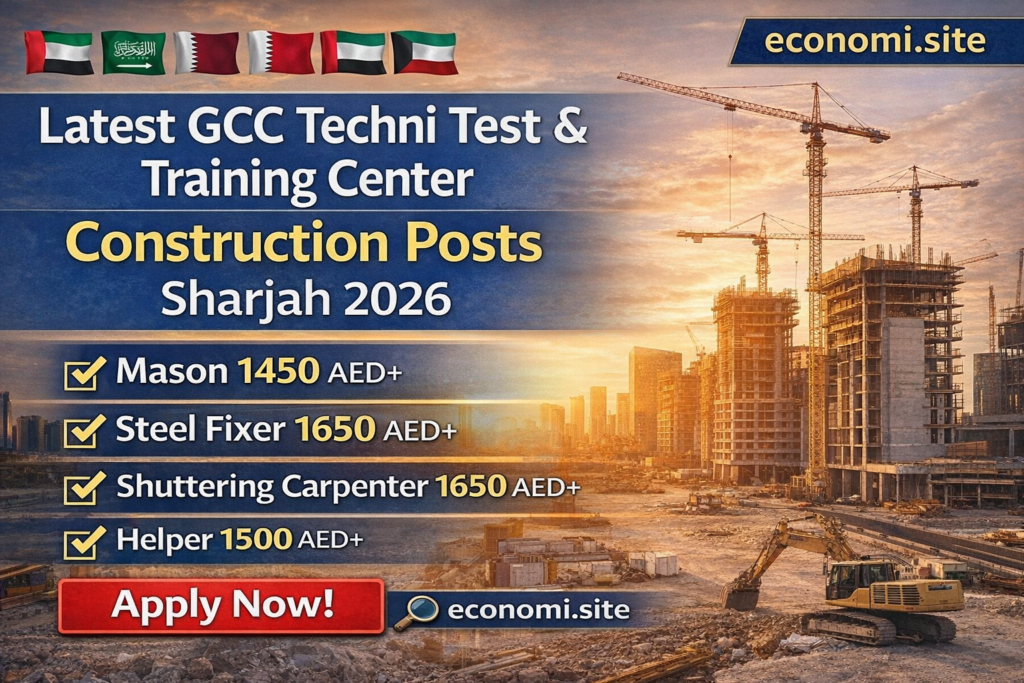
Fresh chances keep appearing in Gulf building projects, offering work for skilled teams and newcomers alike. On February 17, a message came out from the GCC Techni Test & Training Center about openings at job sites in the UAE. Not long after, Scaffold builders saw their moment – positions sit ready. So do roles for steel benders forming bars that go inside concrete. Those framing wet cement with wooden molds are needed now; hands stacking bricks one by one fit here too. Back in 2026, the Daily Express passed the information around, moving it past country lines. Nowhere else do jobs grow so fast as near those tall cranes. Each posting opens a door someone had been waiting for.
Nowhere quiet these days near Sharjah or Abu Dhabi – projects spark one after another. Lately, signs point to steady demand for construction crews as cranes dot skylines from coast to edge. Rising zones need bodies on site, that much stays clear. Each new block, each warehouse shell, tugs fresh workers into motion.
Growing Demand for Construction Workers in UAE
Out here in the Gulf, construction hums louder every year thanks to sharp momentum. Towering projects pop up alongside quiet housing lanes, stretches of highway, business hubs, and vacation zones – each feeding a wider push across the region. When things rise this fast, skilled trades stay steady, particularly folks fitting steel skeletons and support systems.
A single frame goes up, placed by someone whose job keeps others off the ground. Then comes a different pair of hands, wrapping steel where walls will harden later. Separate tasks, yet both keep the structure from tipping during construction. Without either, delays start before lunch.
Framers shape wooden molds for wet concrete out in these parts, while bricklayers handle rows of masonry, rough coats of stucco, stone placements. Quiet layers of effort pile up – each job holding structures steady under scorching sun.
Job Positions Announced
A look at the notice shows positions available right now. What it mentions includes roles waiting for people to fill them. You can find out about work that needs someone starting soon
Scaffolder
Steel Fixer
Shuttering Carpenter
Mason
Most people landing these roles move overseas, finding work in construction through an agency that manages qualifications and placements.
Fresh out of high school? That could grab attention. Yet what really counts at construction jobs isn’t framed paper but doing things right with your hands – experience builds trust faster than degrees ever do.
Salary and Benefits
Pay begins near PKR 125,000 each month – yet what you earn depends on role, experience, and duties listed. Still, the listing points past salary alone. Perks often appear for those taking jobs overseas in the UAE construction sector. A place to live could be included. Employers might pick up flight expenses. Health coverage is known to come with some offers. Breaks from work may go longer than usual back home. Benefits aren’t always the same, though most include more than just a paycheck. What you actually get tends to depend on the particular job
Accommodation provided by the employer
Transportation facilities
Medical coverage
Overtime opportunities
Contract completion benefits
Out there, where daily wages hold firm, many head toward Gulf construction jobs. Could be the paycheck that pulls people in. Then again, living somewhere new might just tip the balance.
Away from home, beginning anew, many land work in the UAE, supporting family through steady transfers. Each day abroad adds small gains in practical know how. Though not everyone ends up here, numerous people from South Asia see it as a means to endure and move forward. Earnings travel overseas, arriving in rural areas where help is needed most. Time spent working under harsh heat builds resilience without fanfare.
Skills and experience needed
Most firms tend to pick folks already familiar with work environments, though newcomers could still catch a break. Handling equipment well counts – just as much as keeping an eye out for safety does
For scaffolders:
Knowledge of scaffolding safety standards
Ability to assemble and dismantle scaffolding systems
Physical strength and balance
For steel fixers:
Reading structural drawings
Cutting and bending steel bars
Tying reinforcement bars correctly
For shuttering carpenters:
Measuring and cutting wood or metal forms
Understanding concrete support structures
Using carpentry tools safely
For masons:
Bricklaying and plastering skills
Mixing cement and mortar
Finishing surfaces accurately
A door clicks open when a tech certification sits on your resume – especially true walking through agency screenings or evaluation centers. Proof of skill often tips the scale, quietly boosting odds where decisions are made behind glass panels.
Application Deadline and Process
February 18, 2026 is when applications stop being accepted – though the paper might change that. The complete advertisement holds key facts, so check it carefully. Mistakes in following procedures lead to problems down the line. Required documents show up right there in the listing. Exam guidelines are part of that announcement too. One tiny slip might knock you out quick. When dates change, look again before moving forward. The paper copy always wins, no exceptions. Skipping a close reading only causes trouble later. Start by scanning it twice – once isn’t enough. Every part counts exactly like the one after.
Typically, overseas construction job applications require:
Valid passport
Educational certificates
Job history papers might be included when they exist
Medical fitness certificate
National ID copy
Passport-size photographs
One way to move forward? Prove you can do the work. Some folks must finish a task in person before getting picked. Skill shown on the spot sometimes weighs more than forms filled out. The green light may hang on how someone handles a real job trial. Doing well when watched closely – this step matters late in the process.
Technical testing centers matter
Beyond national lines, finding jobs usually ties back to testing centers focused on ability. Because these places examine real task performance, firms overseas see who fits their needs. When someone shows actual capability, roles go to those ready for them. Firms benefit just as much – placing skilled people feels certain once evidence is clear. Guessing fades once solid outcomes shape each decision.
Out here, short courses sometimes appear – just what you need before taking trade tests around the Gulf. After sitting through one or two, safety steps often start sticking. Things like how people act on the job? Clearer when talked through step by step.
Out there, construction folks who clear a trade exam tend to land jobs abroad. When certification comes through, new locations start to open up. Moving between countries for work? A credential could make that possible. Clearing tests puts people in line for roles where abilities match demand. Proven skill by testing means entry into global job pools. Getting your skills checked opens doors overseas. When you show a certificate, countries see that you can do the work.
Jobs building things in the UAE
Over in the UAE, construction zones stick to steady rhythms, shaped by firm safety standards – unlike scenes common in many rising economies. Workers there often gain real experience with modern tools, international-level techniques, while taking part in large-scale projects.
Over time, landing a job in cities like Sharjah or Abu Dhabi can slowly lead somewhere – especially if learning happens along the way, bit by bit. While consistent work counts above all, staying put tends to reveal next steps just through doing the role longer.
Begging beside builders – passing gear, moving supplies – is how many first step onto worksites as trainee masons or riggers. Later down the line, a few start steering tasks once their grasp of daily moves lets them shape what teammates do.
Conclusion
Out past 2026, scaffold builders could see options unfold overseas. Where construction pushes ahead – like in the UAE – skills in rebar tying or formwork hold value. Towers rise, homes take shape, roadways stretch; that keeps demand steady. Hands-on trade folks often fit right into sites buzzing with activity. Moving materials, setting frames, placing blocks – these tasks stay busy when cranes turn daily. For anyone willing to relocate, openings pop up where cement is always drying.
Out there on international job boards, earnings tend to be steady, benefits usually fair, while chances to join worldwide initiatives pop up now and then. Folks with just basic credentials, real-world skills, but plenty of grit could land lasting positions abroad in construction work.
Those looking at this role should go through each bit of the posting carefully. A single mistake in paperwork can cause delays, which is why preparing ahead helps. If the deadline passes, the opportunity disappears completely. People who understand what they’re good at usually get further when it counts. Time spent constructing projects overseas in the UAE may increase pay – alongside shifting how work feels long term.